Colorado water regulators late Wednesday approved an extensive set of rules designed to protect thousands of miles of streams and vast wetlands, stepping up as one of the first states in the nation to do so.
“It’s a big moment,” said Kathy Chandler-Henry during the last day of hearings. She is a member of the Colorado Water Quality Control Commission from Eagle County.
The rules cover dozens of issues related to how the state will issue permits dictating how construction, homebuilding and farming activities that disturb waters and wetlands can occur.

The idea is to protect these natural resources while giving businesses the flexibility they need to operate.
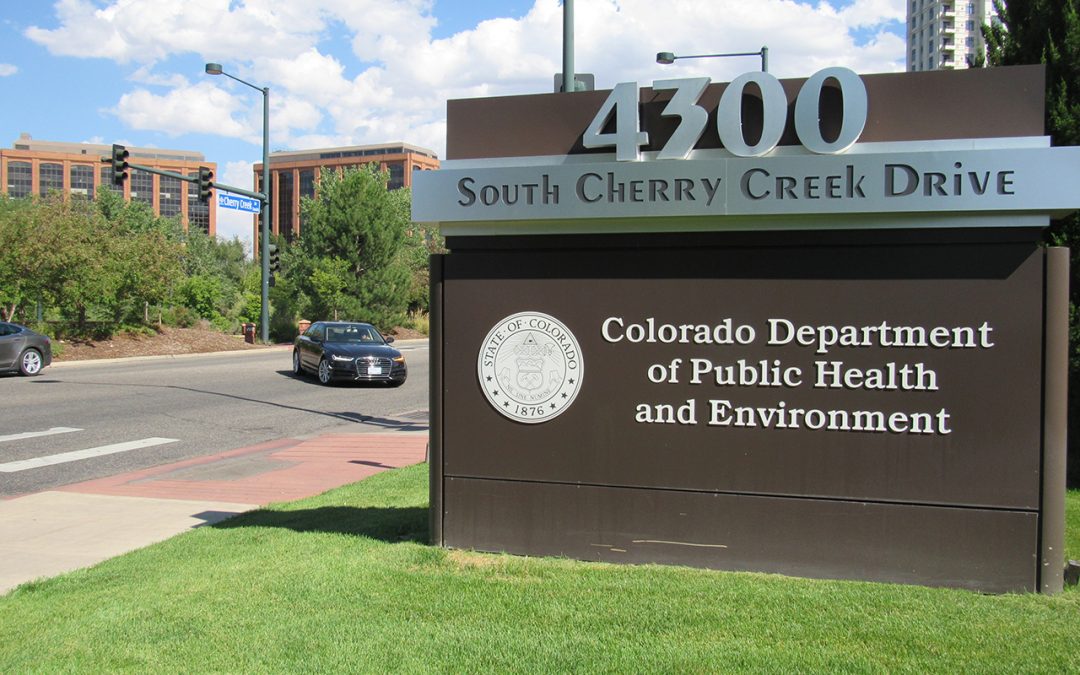
The vote by the nine-member Colorado Water Quality Control Commission came after nearly 16 months of public hearings and meetings of environmental groups, water providers, farmers and other industry interests. The rules were written to regulate dredge and fill activities in state waters as authorized by House Bill 1379, a hard-fought bipartisan measure approved by Colorado lawmakers in May 2024. The state commission oversees the Colorado Department of Public Health and Environment’s Water Quality Control Division (WQCD), which will enforce the rules.
The fragile coalition that came together to approve the 2024 law almost fractured in the weeks leading up to the hearings, with industry groups charging that health regulators and environmental interests were trying to change the law in ways the legislature didn’t intend and environmental groups issuing similar charges.
Ultimately, commissioners rejected inclusion of a broad public interest standard in the new rules, agreeing with industry that it wasn’t necessary. But they approved clarifying language about wetlands that are close to irrigation ditches and water delivery canals, something that environmentalists fought for but which wasn’t detailed in House Bill 1379.
In the end, major water providers who objected to some of the rules, such as Northern Water, said they were reasonably comfortable with the final rules.
“Through the hearing process we feel our concerns were addressed and appreciate the efforts of the WQCD to consider and resolve issues in the interests of all parties,” said Chris Manley, senior water quality policy specialist with Northern.
Environmentalists said the rules meet most of their goals for protecting state waters and wetlands, although there was disappointment that the public interest standard was removed.
“We feel pretty good about the rules that were adopted,” said David Nickum, executive director of Colorado Trout Unlimited.
Colorado leads the nation in completing rules that address a major gap created in 2023 when the U.S. Supreme Court, in its Sackett v. EPA decision, wiped out a critical set of environmental safeguards contained in the Clean Water Act.
The Sackett decision said, in part, that only streams that flow year-round are subject to oversight. It also said only wetlands that had a surface connection to continually flowing water bodies qualified for protection.
Western states were hard-hit by the decision because few of their rivers and streams flow year-round, and wetlands often only appear after rain and snowstorms, leaving them unprotected under the revised Clean Water Act rules.
After Sackett, Colorado moved quickly to begin studying how to create rules to replace what had been removed from the federal Clean Water Act.
In House Bill 1379, lawmakers said all state waters and wetlands should be protected. But they also included a list of waters that would be excluded from the new law to protect farmers and water providers and some industries. The law also contained exemptions for activities such as maintenance work on irrigation ditches and canals. And it specifies that work that disturbs less than one-tenth of an acre of wetland or a three-hundredths of an acre of a streambed also be exempted from oversight.
The rules will take effect early next year, according to CDPHE spokesman Brent Temmer.
Colorado’s action comes just weeks after the EPA proposed new rules that would further reduce federal protections for wetlands and streams.
 Print
Print