
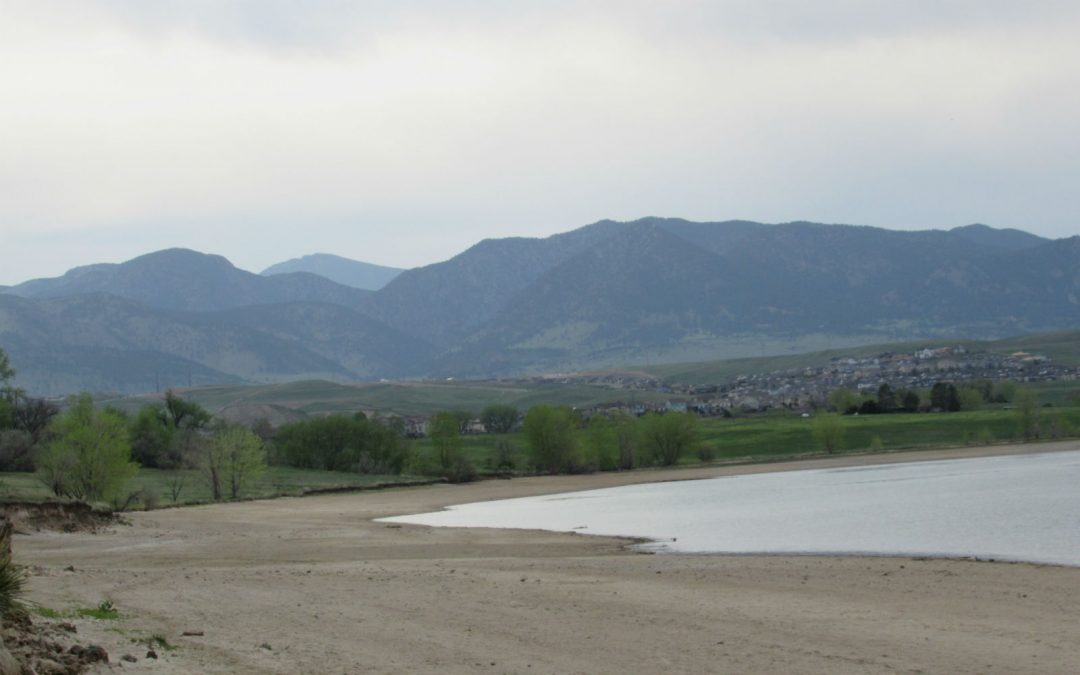
Drought-stricken, fast-draining reservoirs are pushing fish salvage operations from the Eastern Plains into metro-area suburbs, with Westminster’s McKay Lake and some waters at Weld County’s Banner Lakes suspending limits on catching fish.
The 2026 drought severity set off early alarms with a June 1 public fish salvage called for Nee Noshe Reservoir at Queens State Wildlife Area in Kiowa County near Lamar. Colorado Parks and Wildlife itself salvaged more than 1,000 trout from Antero Reservoir and moved them to other reservoirs on the upper South Platte River system, after Denver Water began draining Antero to reduce evaporation losses. The state effort followed an open public salvage called for Antero.
Now the unprecedented lake drains are hitting more populated areas. Just after announcing licensed anglers could use all flies and lures, take unlimited fish and keep largemouth bass at suburban McKay Lake, Colorado Parks and Wildlife issued a similar fish salvage for ponds open to angling at Banner Lakes, near Keenesburg.
“Due to the imminent loss of the fishery from drought conditions” at Banner Lakes ponds, CPW said, “all bag and possession limits have been lifted. Anglers may use all legal methods, as well as cast nets, dip nets, hand-catching and bowfishing.”

Through the years, CPW has stocked ponds at Banner Lakes with black crappie, largemouth bass and channel catfish.
The state has also warned visitors to popular Mueller State Park west of Colorado Springs that they will find much lower water levels at Geer and Dragonfly ponds as releases from those bodies are needed to meet downstream water rights calls. Backcountry hikers will find Geer Pond effectively dry, the state said. Dragonfly, a children’s and educational fishing area, would also be hit hard for the rest of the year with a 3-foot water loss.
With a rapid run of salvage operations and fishery losses in recent weeks, CPW will be busy calculating how and where to boost hatcheries and stocking for next year.
“That’s something we’ll evaluate over the winter months and see how the snowpack does for the 2026-27 season,” said Kara Van Hoose, a CPW public information officer. “I don’t think we’re expecting any budget crunch in that area yet. We use an adaptive management style for stocking, so we place fish in strategic areas based on water availability and angler demand. This year due to the drought, we have stocked some fish early or moved locations based on conditions.”
City and suburban water officials continued to weigh in on whether a recent week of rains boosted their outlook for the rest of the watering season or for spring 2027 reservoir storage.
“It has not made a dent,” said Shonnie Cline, Aurora Water’s deputy director of internal and external affairs. “Our water rights depend primarily on snowmelt from the mountains. That is not to say that we can’t actually yield rainwater if we are in priority, but in the last couple of weeks the reality on the ground is that even the rain that fell in the mountains has been minimal in comparison to the dry conditions and thirsty plants eager to take up that water.”
 Print
Print