Northern Water will pay $30 million over the next 30 years to solve long-standing clarity and water quality problems at one of Colorado’s most treasured natural wonders, Grand Lake.
Under the terms of the agreement, the giant water provider will spend $1 million annually to test and implement new solutions to the problem, including weed control, aeration and sediment removal. The deal is the first time a dedicated source of money has been set aside to help the lake, Northern Water spokesperson Jeff Stahla said.
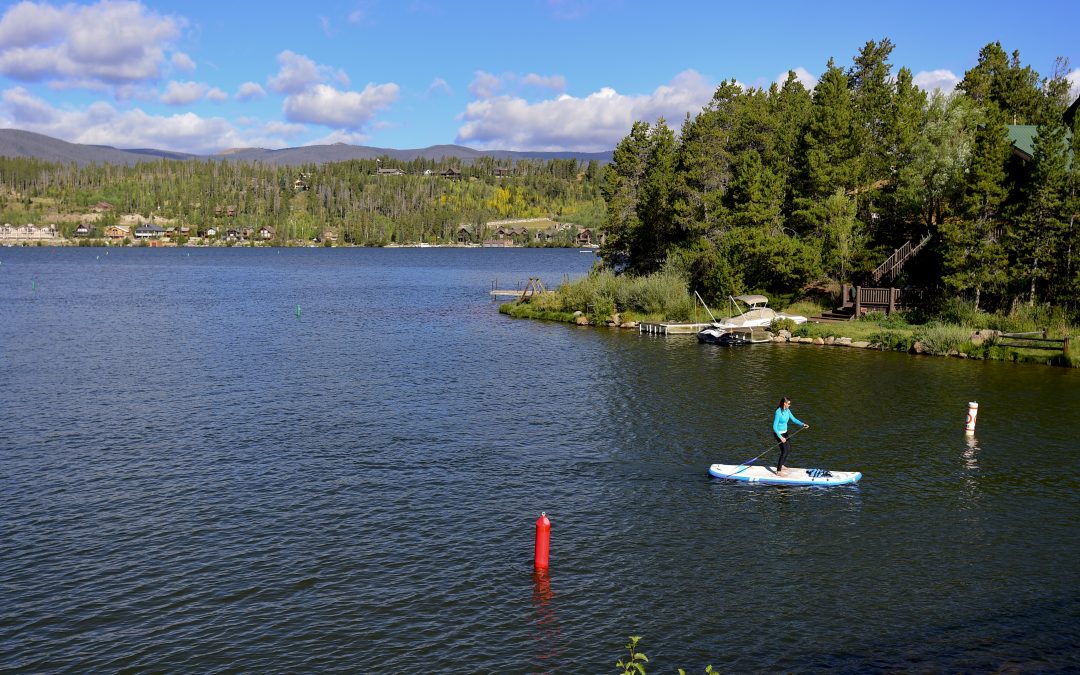
Grand Lake, located near the west entrance to Rocky Mountain National Park, is Colorado’s deepest natural lake and has been a major tourist destination since the late 1800s. A coalition of federal and state agencies, and local advocacy groups have been working and arguing over how to restore it since at least 2008.

“It has been a long and arduous process to get here,” Stahla said. “We’re hopeful that this is a turning point for being able to work together for the common good.”
Grand Lake is a key element of Northern Water’s Colorado-Big Thompson delivery system, which provides water to more than 1 million people on the northern Front Range and thousands of acres of irrigated farmlands.
Owned by the U.S. Bureau of Reclamation and operated by Northern Water, The C-BT gathers water from the Upper Colorado River, and stores it in two holding pools built by the federal government: Lake Granby and Shadow Mountain Reservoir. From there it is eventually moved into Grand Lake and delivered via the Adams Tunnel under the Continental Divide to Carter Lake, west of Berthoud, and Horsetooth Reservoir, west of Fort Collins.

During that process, algae and sediment are carried into Grand Lake, clouding its formerly clear waters and causing algae blooms and weed growth, and harming recreation.
In 2008, the Colorado Water Quality Control Commission moved to set a clarity standard, but it has since been replaced with a clarity goal and the aim of achieving “the highest level of clarity attainable.” Since then, Northern Water and others have implemented different management techniques, including changing pumping patterns, to find ways to improve water quality in all three water bodies.
In 2016, the U.S. Bureau of Reclamation took the first steps required under the National Environmental Policy Act of 1969 to do the scientific and engineering studies needed to fix the system and hold public hearings. But Reclamation stopped the process in 2020, saying that it could not definitively establish any structural alternatives that would work, nor could it find a way forward on funding such a major infrastructure redesign.
Frustration among Grand Lake advocates continued to build, however, and in 2024, at their request, Colorado lawmakers passed a resolution calling for more work on the issue.
In 1941, before the Colorado-Big Thompson Project began operating, clarity was measured at 9.2 meters in depth, about 32 feet, according to Northern Water. Since 2016, the goal has been to achieve clarity of 3.8 meters, just over 9 feet. “We’ve been hitting the goals much more steadily than we have before, thanks to changes in the way the water is pumped through the system,” Stahla said.
Still the lake is plagued by infusions of warm, murky water during the summer and algae blooms that harm its recreational value, locals say.
Mike Cassio, president of the Three Lakes Watershed Association and a long-time Grand Lake advocate, said the new agreement was the only way the local interests could see to move forward, given what they say is an imbalance of power between the federal government and Northern Water, and the people of Grand County.
“The Bureau of Reclamation has estimated that replumbing and fixing Grand Lake is a $1 billion project and it would take a congressional mandate to fund it,” Cassio said. “Is this agreement the best that we have? Probably. Is anybody up for a fight with Northern and the Bureau? Probably not. So the best thing to do is to work together.”
In addition to the $30 million, the new agreement also expands the governing body overseeing the work to include the town of Grand Lake, which will for the first time have an official role in how the three-lake system is managed, Stahla said.
The Colorado River District, which represents 15 Western Slope counties, signed off on the deal this week, saying via email that the new agreement would provide a strong foundation for future work on the lake.
Other signers to the agreement include Grand County, the Northwest Colorado Council of Governments, Northern Water, the town of Grand Lake of Grand Lake and the U.S. Bureau of Reclamation.
Correction: This story has been updated to state that the clarity goal for Grand Lake, since 2016, is 3.8 meters, not 3.2, as originally written.
 Print
Print